This year’s Christmas Bird Count (CBC) marks 126 years of this winter bird census in the western hemisphere. The project has grown to include not only portions of the northern hemisphere reaching as far north as the Arctic Bay in Canada, but also as far south as the Drake Passage in South America. This monumental community science annual inventory creates a 24-hr. snapshot of resident winter bird populations. Locally, the Weminuche Audubon Society chapter has hosted annual counts for the last 15 years.
With open water and largely bare ground, 74 birders fanned out to cover a 15-mile diameter circle on December 14th. The conditions were oddly warm for “a winter’s day” with highs in the mid-50s. The overwhelming sentiment from the group was that bird numbers seemed notably low. Participants tallied 71 species in the field and at feeders for a total bird count of 4,453 birds. A closer look at the dataset reveals that though we had the 2nd highest species count in the past five years (highest being 78 in 2024), our total number of birds was the 3rd lowest and down about 1600 birds overall from last year. Concerning? Yes, especially when you look at the national numbers which indicate a continued downward trend and loss of overall birds throughout the northern and southern hemispheres, despite increased CBC participation. These findings are most noticeable since the year 2014, when total bird numbers registered 20 plus million more birds overall than are counted today across the sampled area. Long-standing data trends continue to reflect impacts from climate change equating to birds shifting their winter ranges to the north.
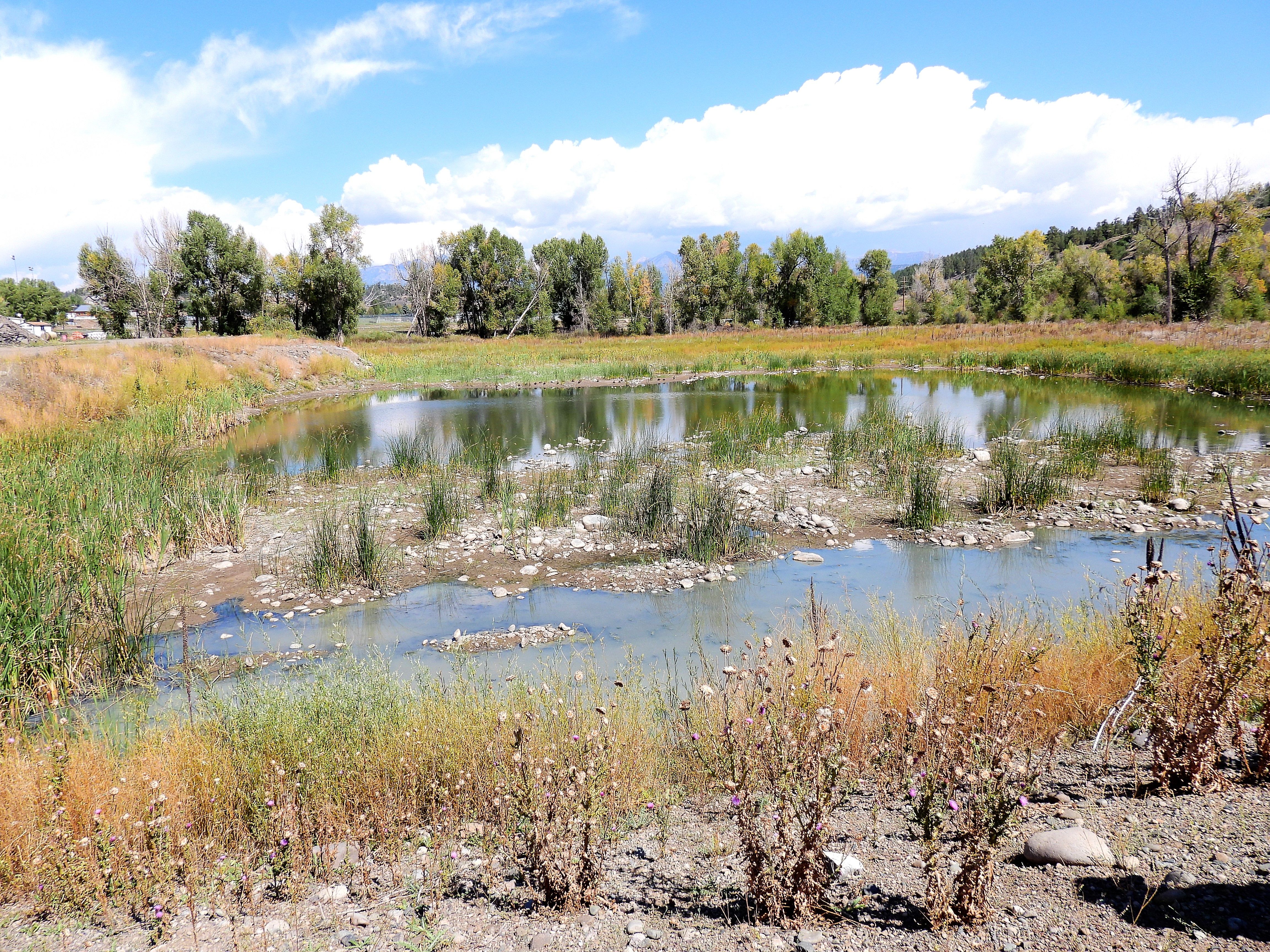
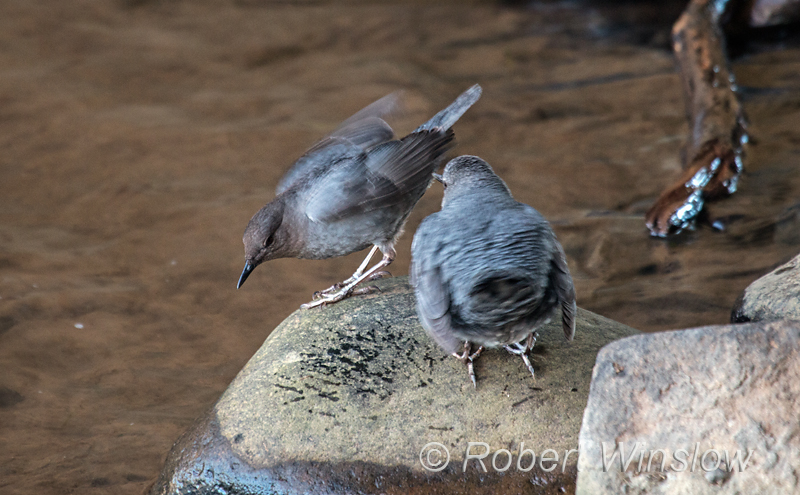
Let’s look closer at the numbers locally. Open water naturally equated to some species of waterfowl lingering longer than normal and even to finding some species that we haven’t observed for several years such as canvasbacks. With open water on water bodies like Echo Lake, the species with the highest count was the American coot, a little known semi-aquatic rail species that often behaves like waterfowl, tallying 467 (up from 167 last year). In December of 2024 we found American robins seemingly everywhere and counted 452. This year we found 1. Townsend’s solitaire numbers also took a dive from 30 to 5. Both of these thrush species rely on berries, including those of juniper, for winter food. Lewis’s woodpecker and red crossbill numbers were also way down, likely a response to diminished food (acorns and pine nuts) availability this winter. A common question from observers across our count circle was “Where are all of the dark-eyed juncos?” The number of these altitudinal forest migrants dropped from 383 to 45, likely a response to food access at higher elevations with a lower-than-average snowpack. The impacts of October’s notable flood event directly impacted numbers of birds on the San Juan River. To note, numbers of Common mergansers, dependent on fish fry, and goldeneye sp., dependent on aquatic macroinvertebrate, were notably down when compared to 5-year totals.
On a positive note, both pygmy and white-breasted nuthatch numbers increased over those of 2024. Our mild temperatures found lots of fat prairie dogs out and about, food for watchful raptors. Participants tallied 9 golden eagles, 17 bald eagles, 38 red-tailed hawks, 1 Cooper’s hawk, 2 sharp-shinned hawks, 3 ferruginous hawks, and a prairie falcon across the 8 zones for the CBC. An exciting discovery, two northern pygmy owls were spotted on count day, and 1 great-horned owl was identified during count week. While previously only seen during count week, a white-winged dove was spotted on count day.
We would like to extend our thanks to the volunteers that got out to log birds for the count. Also, many thanks to the landowners that allowed us passage on private lands to view birds, allowing for a more rounded and accurate count.